Homework on the Road: What Two Museums Taught Us About the Pony Express Barn
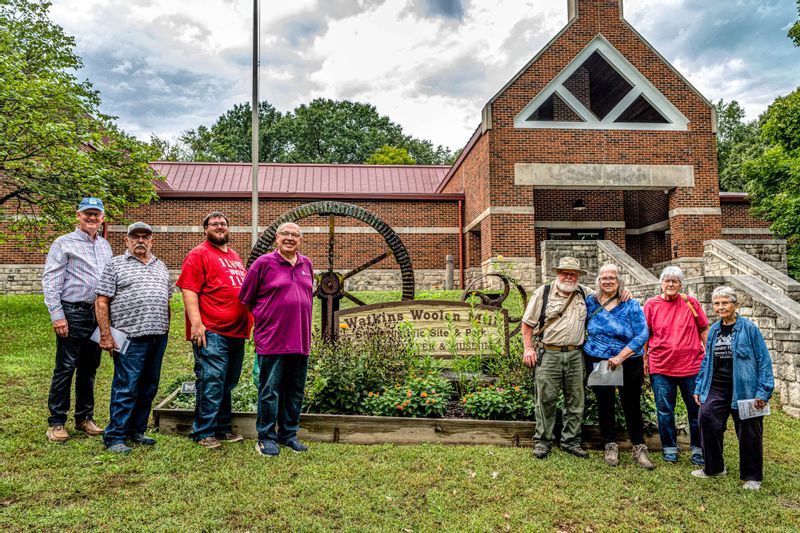
On September 30, members of our board and staff joined other Marysville museum leaders for a day of homework on the road. We visited Watkins Woolen Mill State Historic Site in Lawson, Missouri, and the Amelia Earhart Hangar Museum in Atchison.
We went with one question in mind: what makes a museum story stick with visitors? As we work through our Transformational Plan, we wanted to see how other sites use their buildings, artifacts and technology to tell a clear story. Here is what our board members brought home.
Group photo by Tom Parker.
Watkins Woolen Mill: letting the buildings tell the story
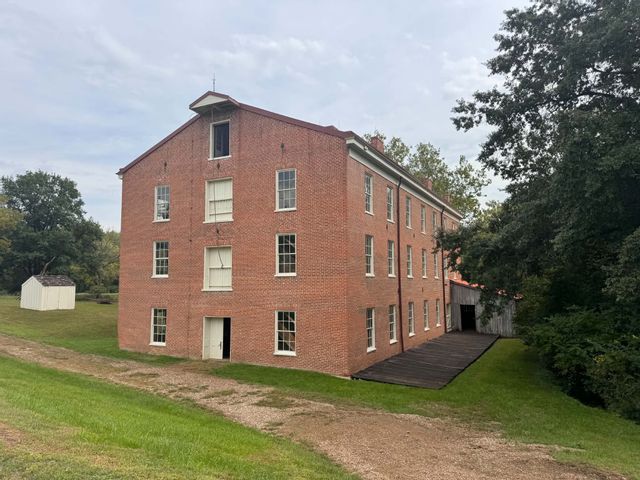
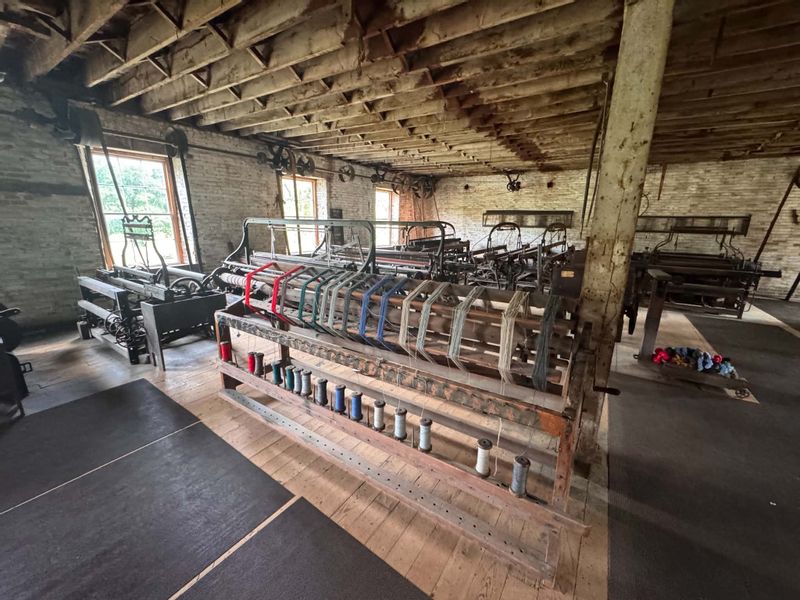
The 1860 mill still holds its original machinery, and the whole property works together. The mill, the family home, the outbuildings, the gardens and the visitor center each fill in part of the story of the Watkins family and the wool industry.
Board member Keith Vacha was struck by how the site treats its historic buildings as the main exhibit. "It showed how an authentic historic site can be used as part of the interpretation rather than having the exhibits compete with the historic structure," he said.
Board member Charlie Friedrichs noticed the discipline behind it. "They have done a good job of keeping the story on point without too much clutter and confusion."
Board member Mike Miller appreciated the slow, deliberate pace of the tour, which invites visitors to notice details and picture the work that happened there. "I hope we can do that in the barn," he said, "help people imagine the noise and activity and how many people worked there."
Our staff also noted that the Watkins story is as much about people as machinery: learning new skills, building with what was at hand, and taking care of the employees who kept the mill running.
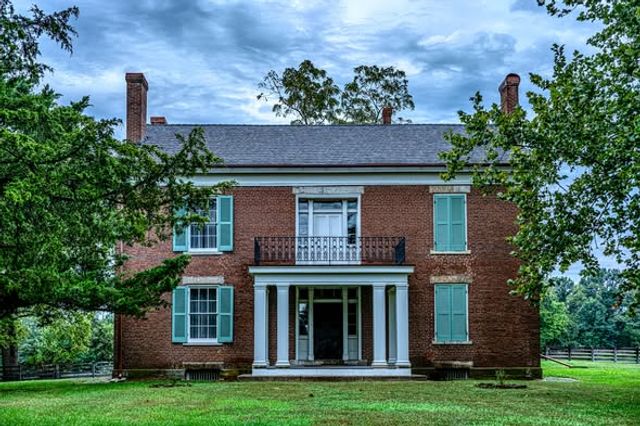
House photo by Tom Parker.
Amelia Earhart Hangar Museum: one clear story, told hands-on
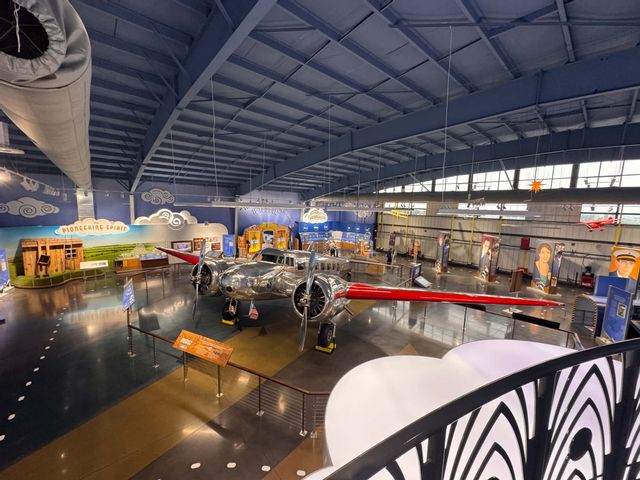
The centerpiece in Atchison is the world's last remaining Lockheed Electra 10-E, the same model Amelia Earhart flew. Around it, 14 interactive exhibits walk visitors through her life, her challenges and her achievements, with a strong focus on science, technology and flight.
Mike Miller pointed to how tightly the museum sticks to its storyline. "Every station had a defined purpose," he said. "The technology supported the story rather than competing with it."
For Keith, the standout was the cockpit experience. "Being able to sit in the cockpit, see the controls and get a sense of what it was like to be there made the history more personal and understandable." He also noticed a smaller detail: overhead speakers that keep each exhibit's audio within its own area, so several exhibits can play at once without filling the room with noise.
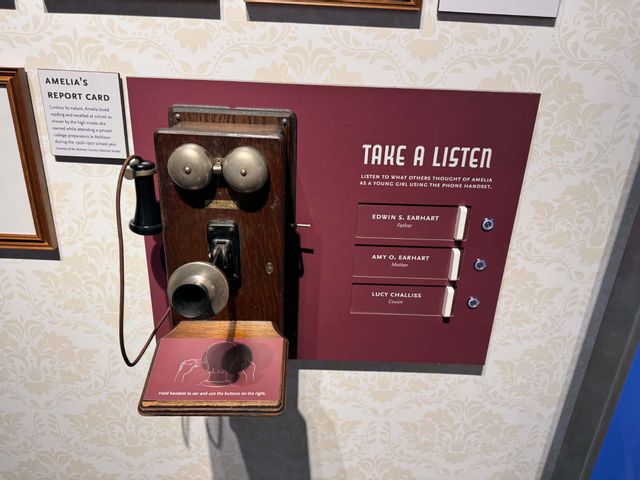
One exhibit caught Ben Throm's attention: an old wall telephone visitors can pick up to hear what Amelia's father, mother and cousin thought of her as a young girl. It is simple, familiar and personal, and it turns listening into something you do with your hands.
Charlie, who has visited before, noted the museum's work with school groups and how naturally its STEM focus fits a modern, open space.
What we're bringing home to the barn
The two museums could not be more different, but the lessons lined up. These are ideas our board is weighing as the Transformational Plan moves forward, not final decisions.
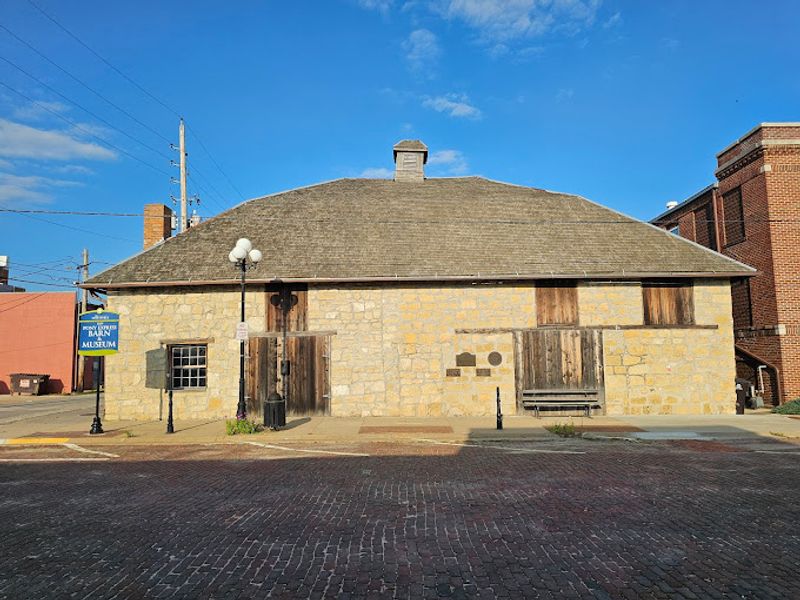
The barn is our greatest artifact. Watkins has its mill and Atchison has its Electra. We have the last original Pony Express home station still standing in its original location and open to the public. "We have an actual historic structure connected to the Pony Express story," Keith said. "That gives us an opportunity to build the visitor experience around the real place." Mike put it simply: the barn is the hero of the story.
A clear path through the story. Mike would like visitors guided along a story arc, from the bigger picture of the Pony Express, to the barn itself, to the people behind it. He also suggested following the station's daily work in order: horse care, rider preparation, mail handling, departure and return.
Experience history, don't just read it. "I think we should continue looking for ways to let visitors experience history rather than simply read about it," Keith said, pointing to chances for visitors to see, hear, touch or take part in something from the Pony Express era.
Let the people speak. Mike imagined visitors hearing directly from the people who made the station work, such as a rider, blacksmith Joseph Cottrell, a barn hand, or Superintendent Lewis, each explaining their part in the operation.
Hear the message come through. Inspired by the Earhart museum's telephone exhibit, Ben would like to see a telegraph key where visitors hear a message tapped out in Morse code, then hear or read the translated message. It fits our story well: the transcontinental telegraph is what ended the Pony Express in 1861, so visitors could experience both the fastest mail of its day and the technology that replaced it.
Technology in service of the story. Everyone agreed that screens and gadgets only help if they serve the history. "Technology should support the history rather than become the attraction itself," Keith said. Mike added that we should avoid exhibits that need constant upkeep or add clutter.
A bigger story beyond our walls. The group also talked about how the barn can anchor a countywide heritage story, connecting to sites like Alcove Spring and the trails that crossed Marshall County before the ferry moved to Marysville.
For Ben Throm, board secretary, the trip confirmed what makes the barn special. "We don't have to invent a story here. It happened in this building," he said. "Our job is to clear the way so visitors can feel it, the same way Watkins lets its mill do the talking."
What comes next
These conversations will shape the next steps of our plan, from early design work to eventual construction. As Charlie put it, "Good design and implementation will require adequate funding. But as we complete the plan, we will be able to fund it."
Thank you to the staff at Watkins Woolen Mill and the Amelia Earhart Hangar Museum for their hospitality, and to OneMarysville for organizing the day.
In the meantime, come see the barn for yourself. The Pony Express Barn and Museum is open Monday through Saturday, 10 AM to 4 PM, and Sunday, 12 PM to 3 PM.